

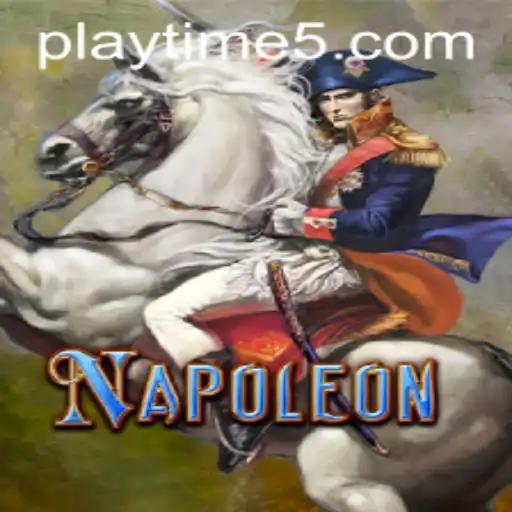

Napoleon is a classic trick-taking card game that has enjoyed centuries of popularity within various cultures. Rooted in European tradition, the game's allure lies in its strategic depth and simple yet competitive nature. Named after the famed French Emperor Napoleon Bonaparte, the game is said to have been created to reflect the strategic cunning and bravado associated with the historical figure. Today, Napoleon continues to captivate players by offering an engaging blend of simplicity and strategy. With current trends showing a resurgence in interest for vintage games, the classic appeal of Napoleon is more relevant than ever.
Originating in the early 19th century, the game of Napoleon is thought to have gained initial prominence among British soldiers. Its namesake, Napoleon Bonaparte, had a reputation that transcended the battlefield, influencing the cultural and recreational activities of his time. Players back then found an ironic thrill in strategizing like the great emperor himself—albeit with cards rather than armies. Today, Napoleon serves not only as a leisurely pastime but also as a historical artifact. Exploring this game offers insight into the socio-political climate of its origin, when leisure was intertwined with a form of political satire. The game's name and gameplay drama were a form of subtle resistance and critique of the Napoleonic Wars, reflecting the tensions and conversations of the era.
Napoleon is typically played with a standard deck of 52 cards and involves four to five players. The objective is straightforward: players vie to win as many tricks as possible over a series of rounds. Here's a concise overview of the basic rules:
In recent years, the board game community has witnessed a renaissance, with traditional card games like Napoleon seeing a revival in popularity. This resurgence can be attributed to a growing interest in analog games, spurred by the quest for tactile and social gaming experiences in a digital-heavy world. Communities gathering around classic games foster a sense of nostalgia and camaraderie, highlighting the timeless appeal of Napoleon.
The contemporary card game scene has championed Napoleon not just for its strategic allure but also for the minimal resources required to engage with it—just a deck of cards and a few keen players. In everyday contexts, players find Napoleon to be a perfect choice for leisurely afternoons, competitive game nights, or even as educational tools to enhance strategic thinking and mathematical skills.
Today's gaming landscape sees Napoleon not merely as a pastime but as a tool for bringing people together. During the recent global events, many have found solace and companionship in the opportunity to reconnect over traditional games. Whether played virtually or in-person, Napoleon serves as a social bridge during times of isolation, offering an escape into a world where strategy, luck, and personal interaction reign supreme.
Apart from its role in leisure, Napoleon is also a subject of academic interest. Game rists and historians alike examine its mechanics, pondering its implications on social interactions, competitive strategy, and cultural trends. This duality of Napoleon—as both a casual game and a subject of scholarly intrigue—cements its enduring status in the canon of classic card games, warranting the enthusiasm it rightly deserves.

Discover the intricacies of the game FaFaFa with a comprehensive look at its description, introduction, and rules, highlighting how its elements fit into current gaming trends.

Dive into the exhilarating world of Crazy777, a captivating game that promises endless entertainment and intriguing playtime dynamics.
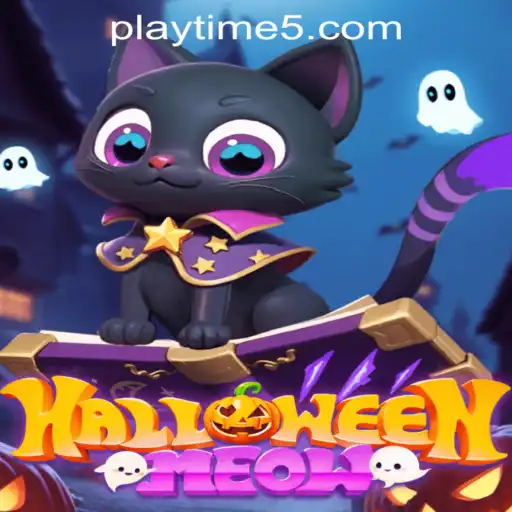
Dive into HalloweenMeow, a captivating game designed for all cat lovers and thrill-seekers. Explore its unique gameplay, immersive features, and spine-chilling challenges.

Delve into the thrilling world of HotMuchacho, uncovering its immersive gameplay, vibrant settings, and innovative mechanics that redefine playtime excitement.

Explore the enchanting world of ElementalLinkWater, a game that merges strategy with the elemental forces of water, offering players an innovative and immersive experience.

Dive into TreasureMania, a captivating game where adventure meets strategy, and discover its thrilling gameplay and intriguing rules.
